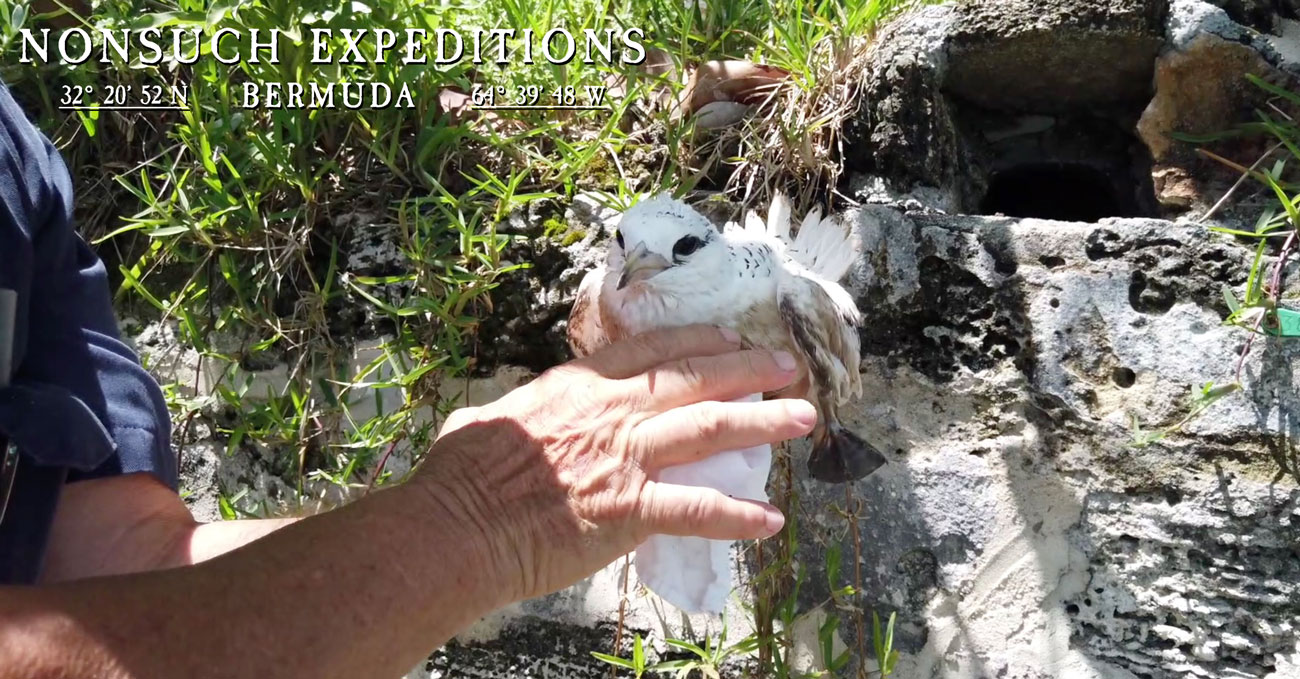
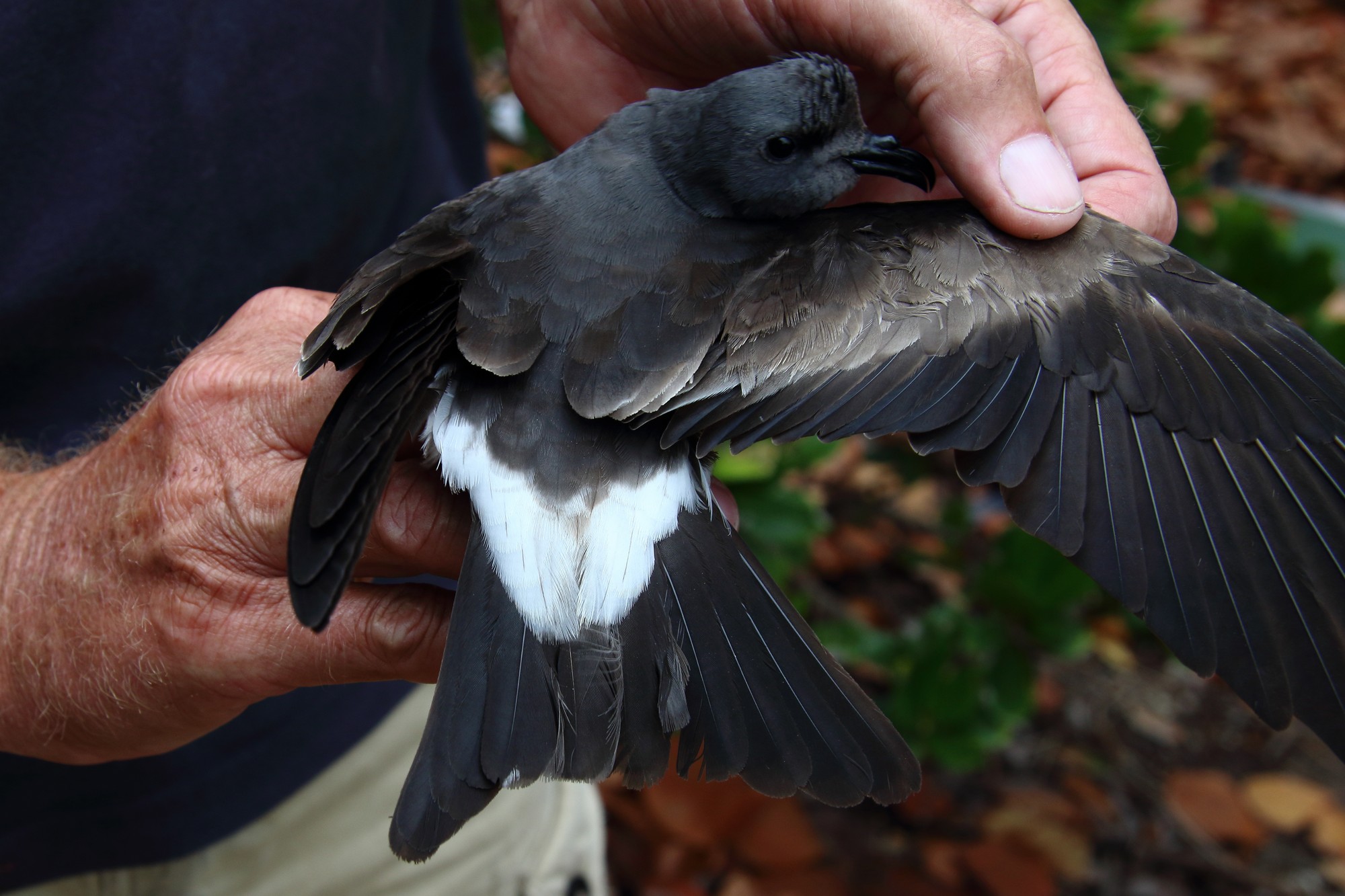
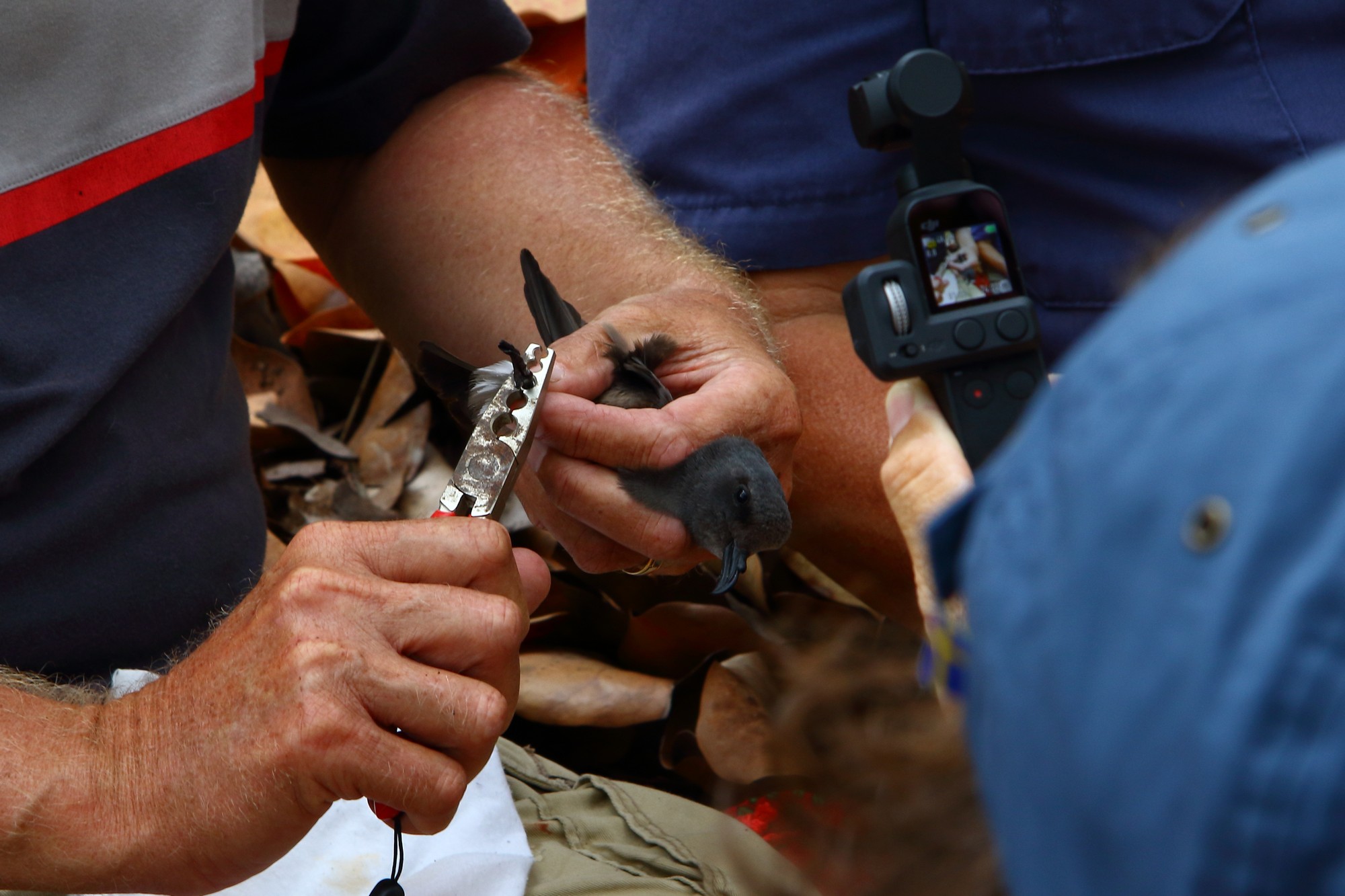
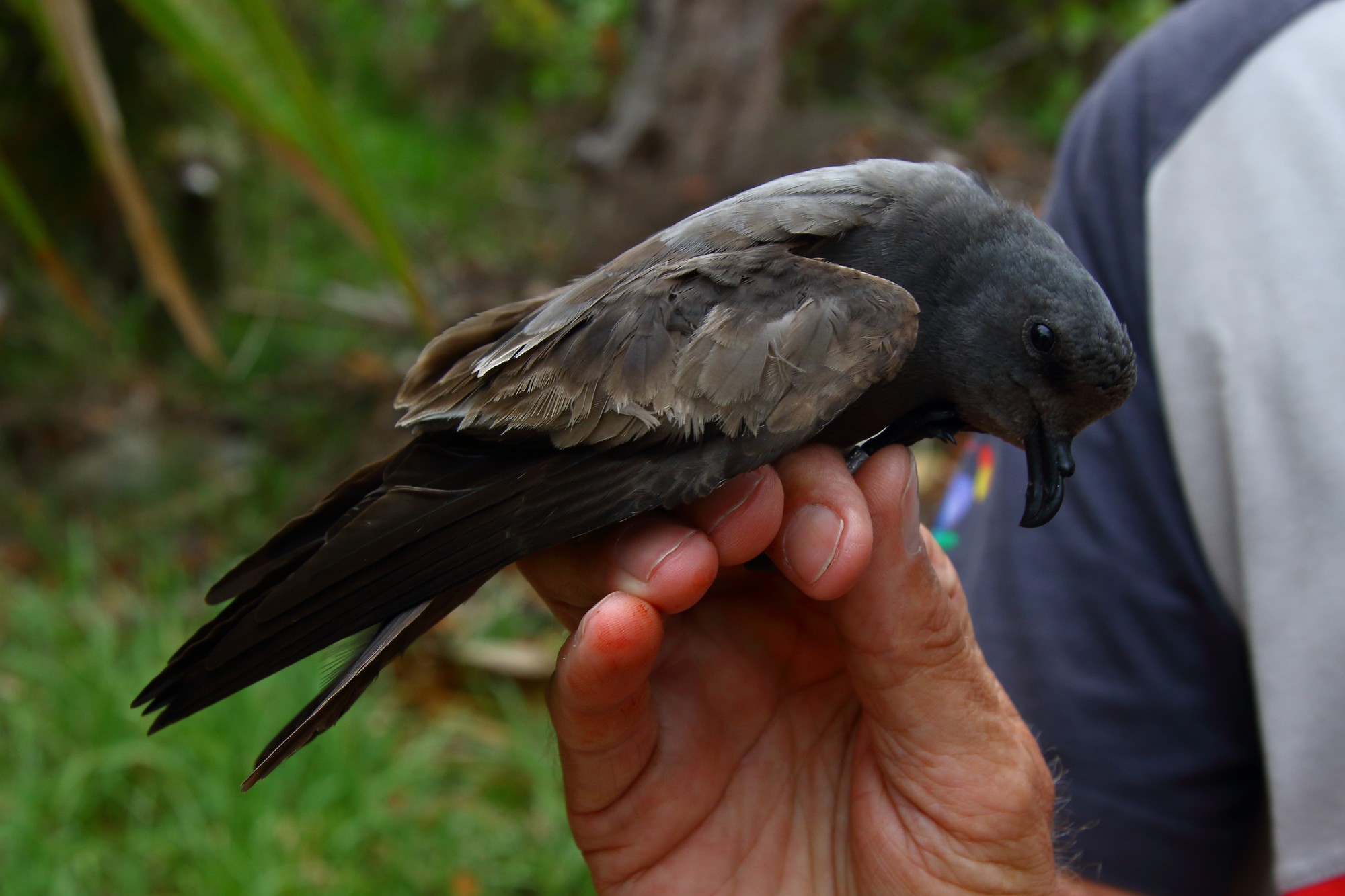
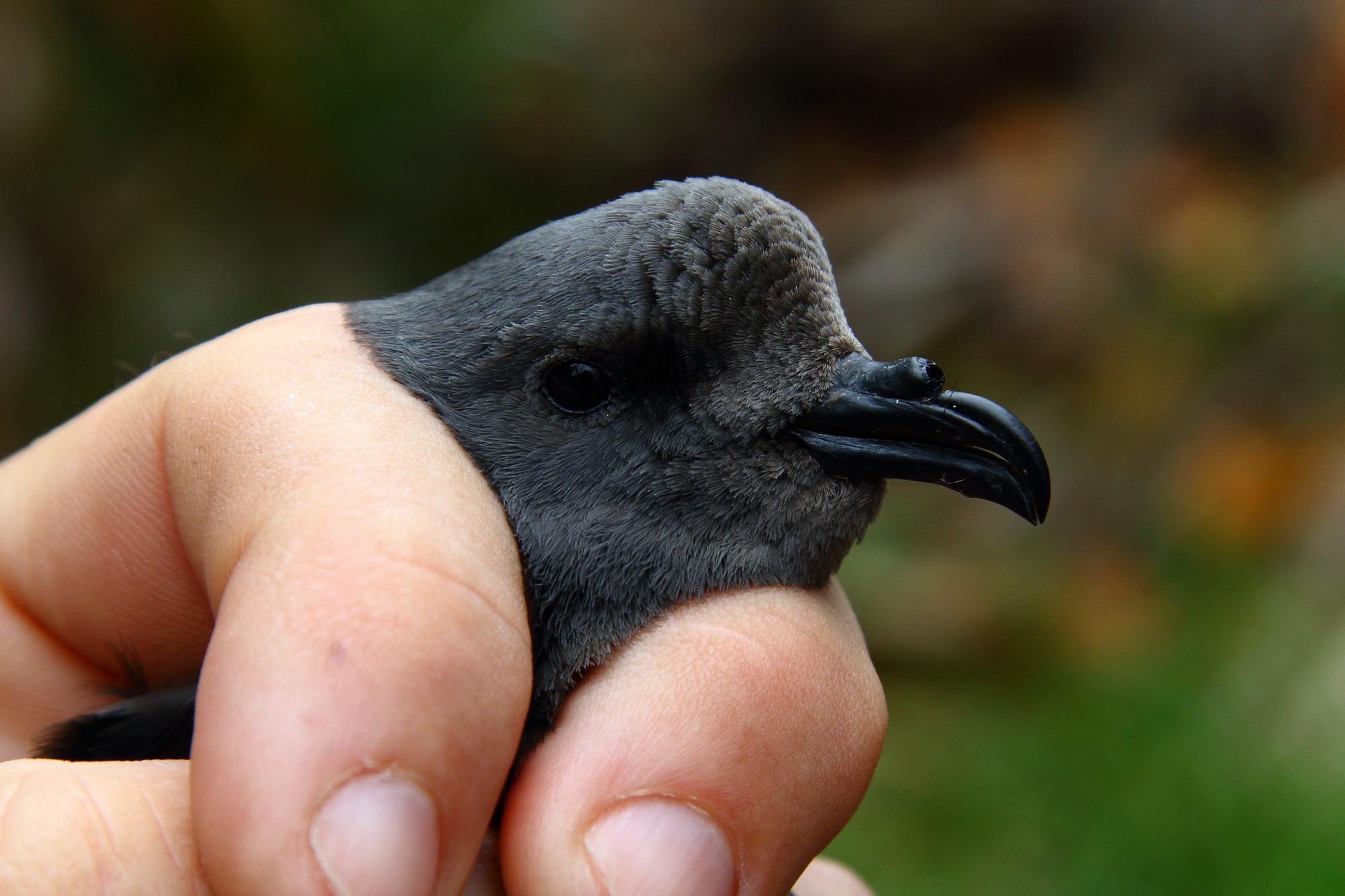
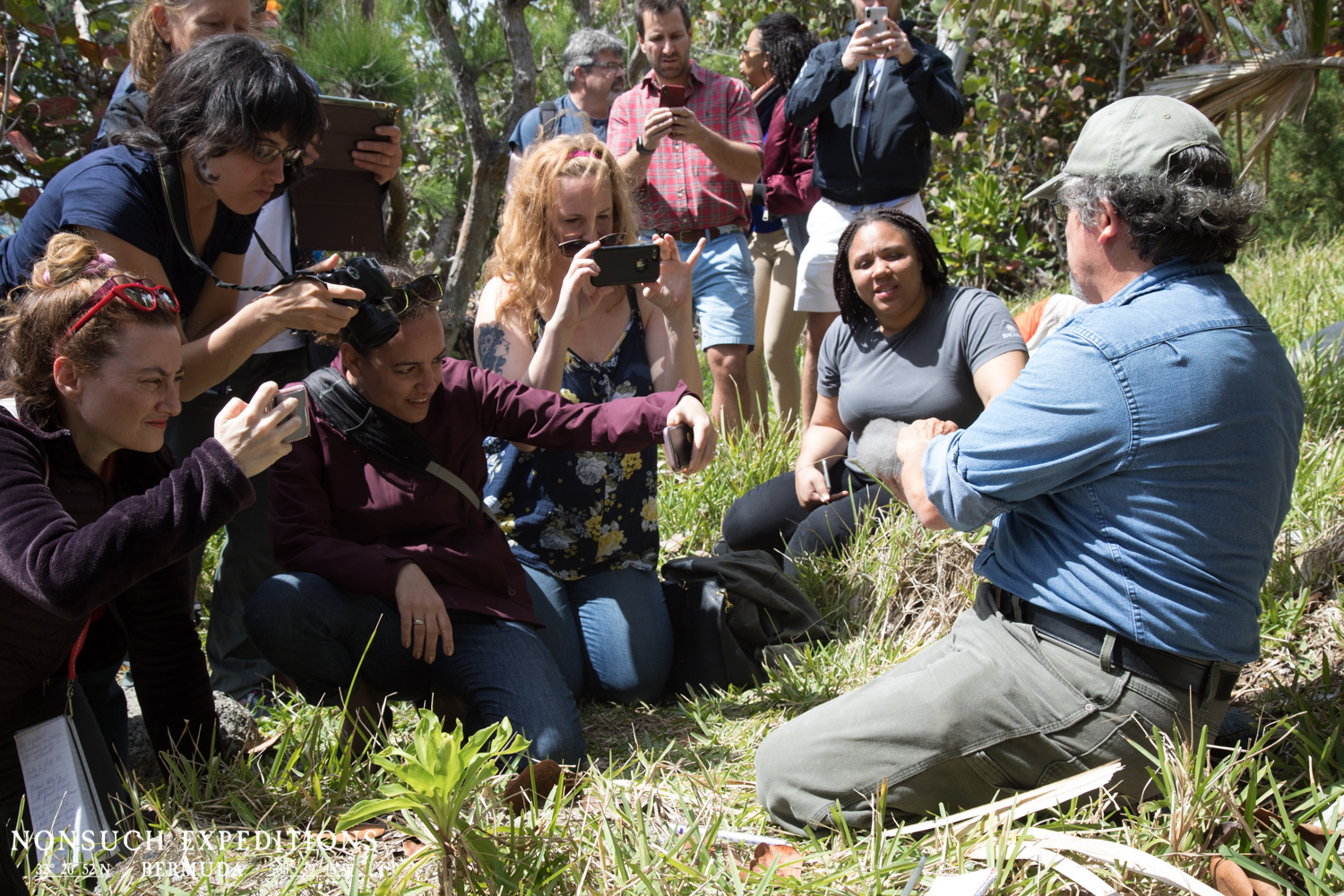
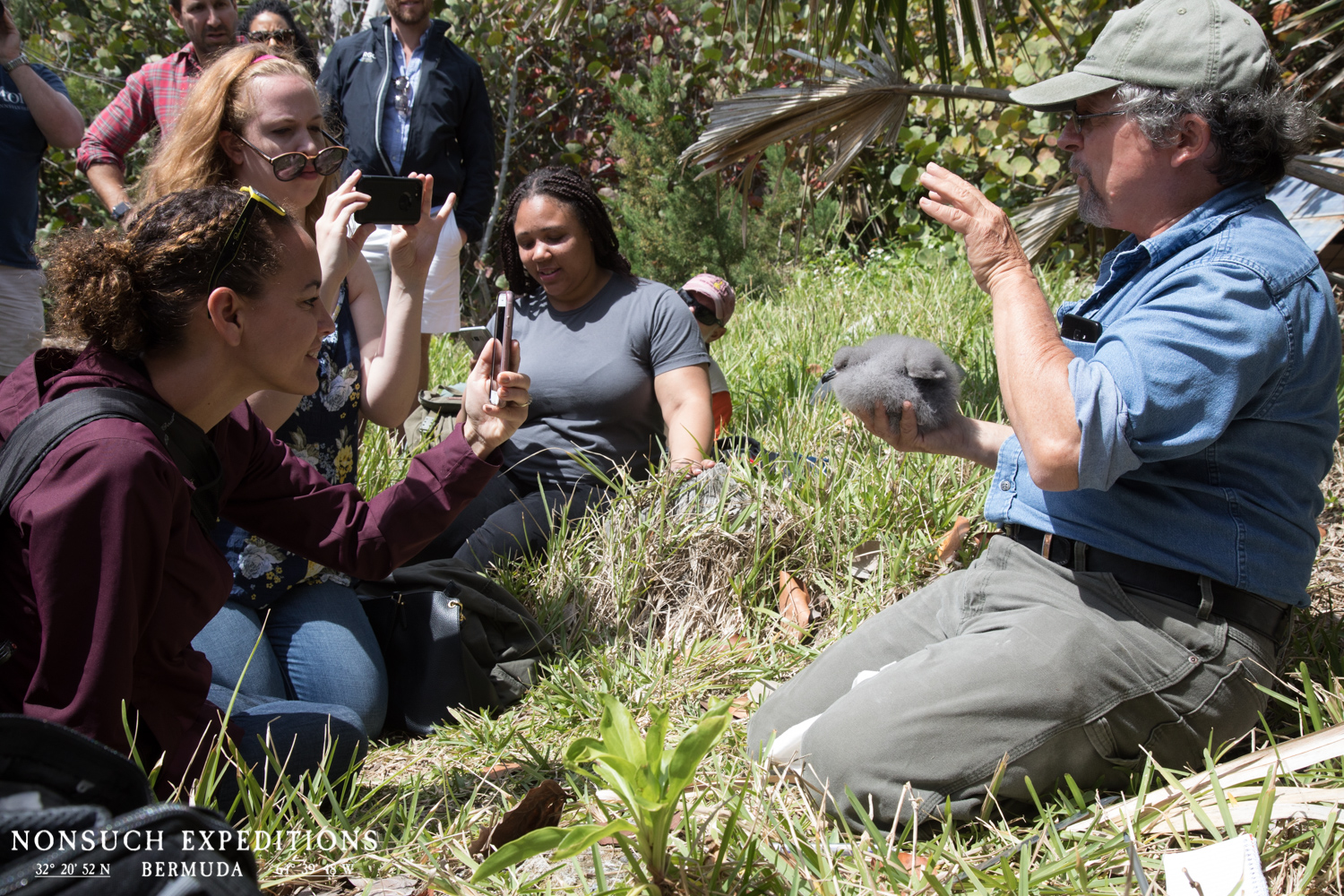
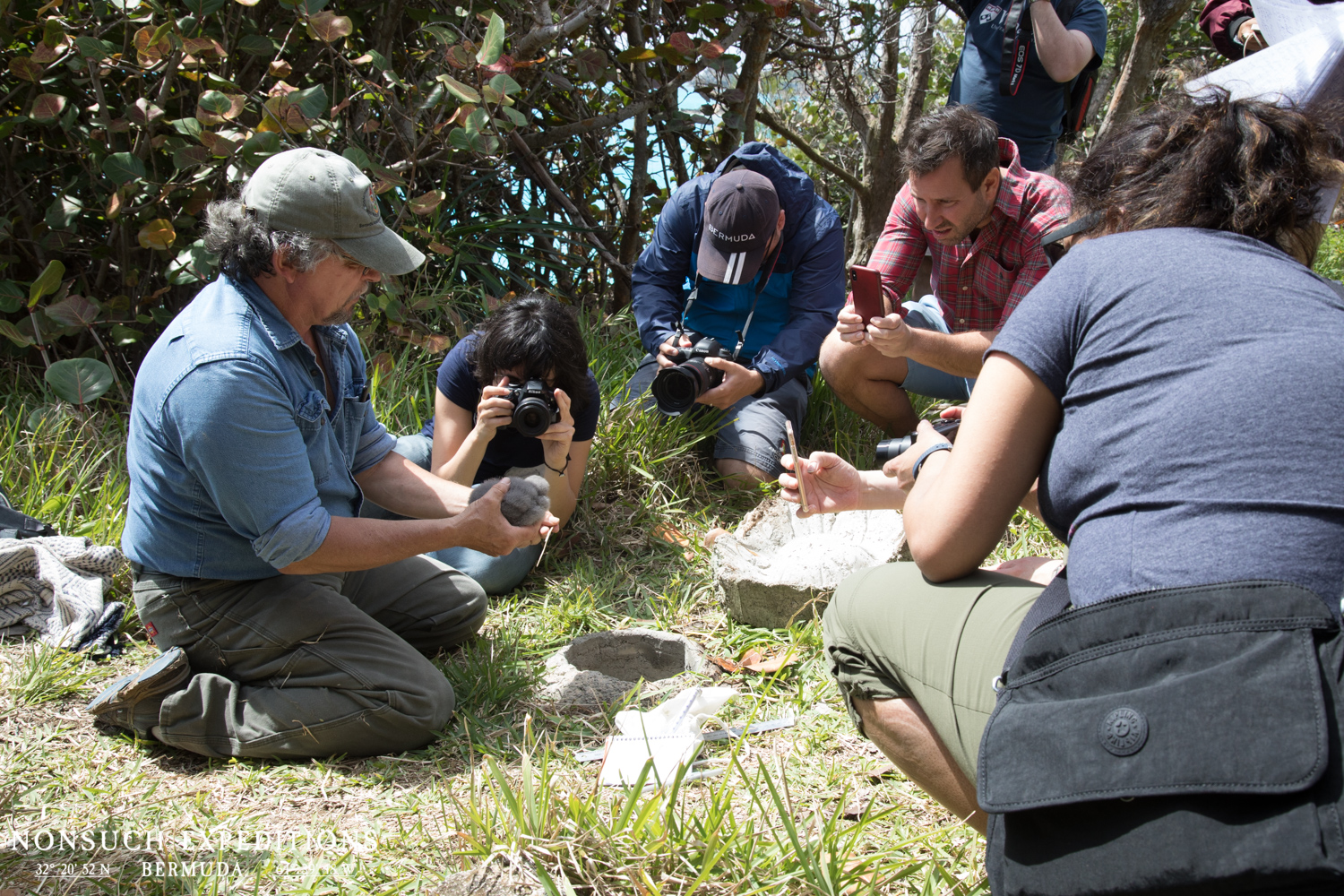
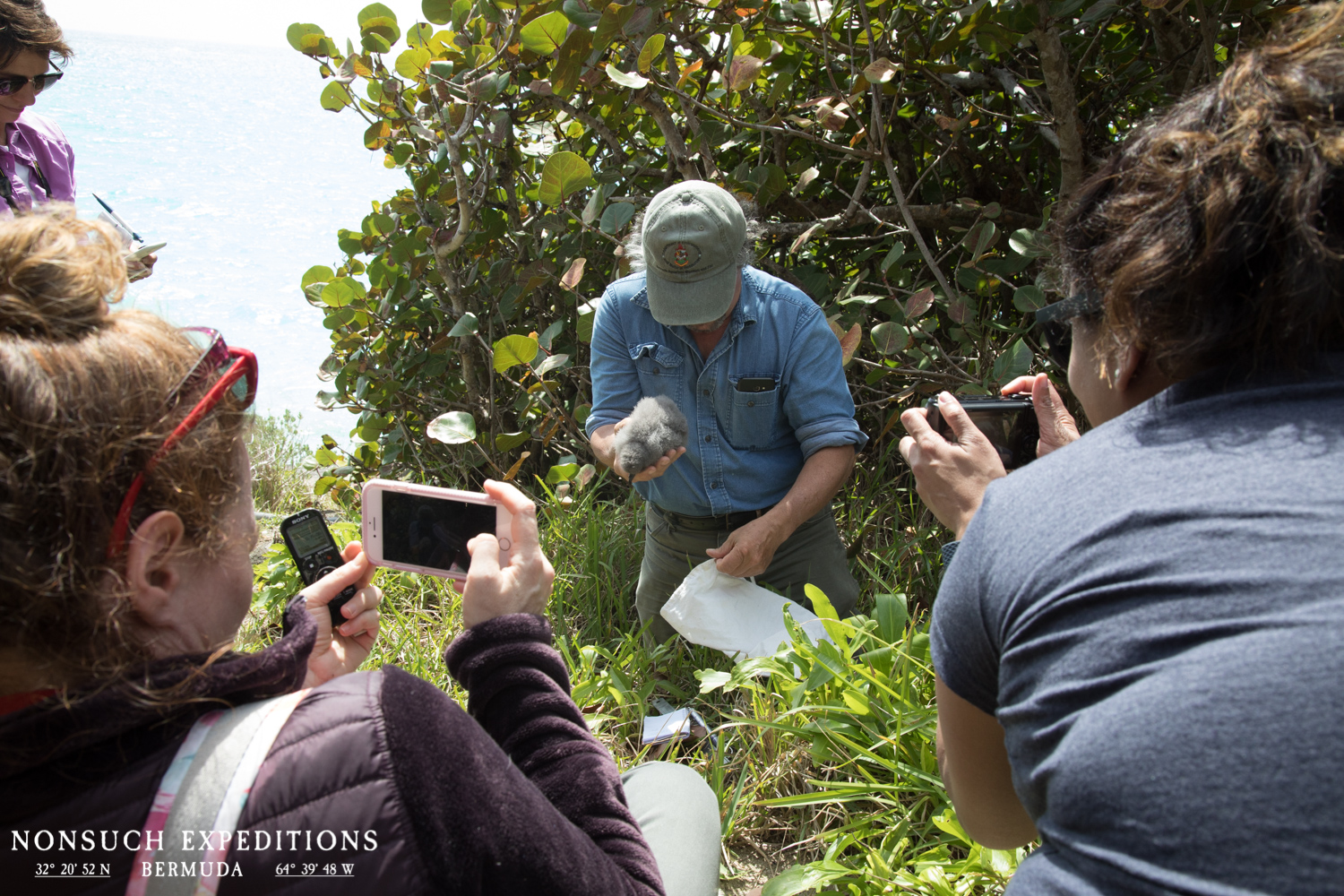
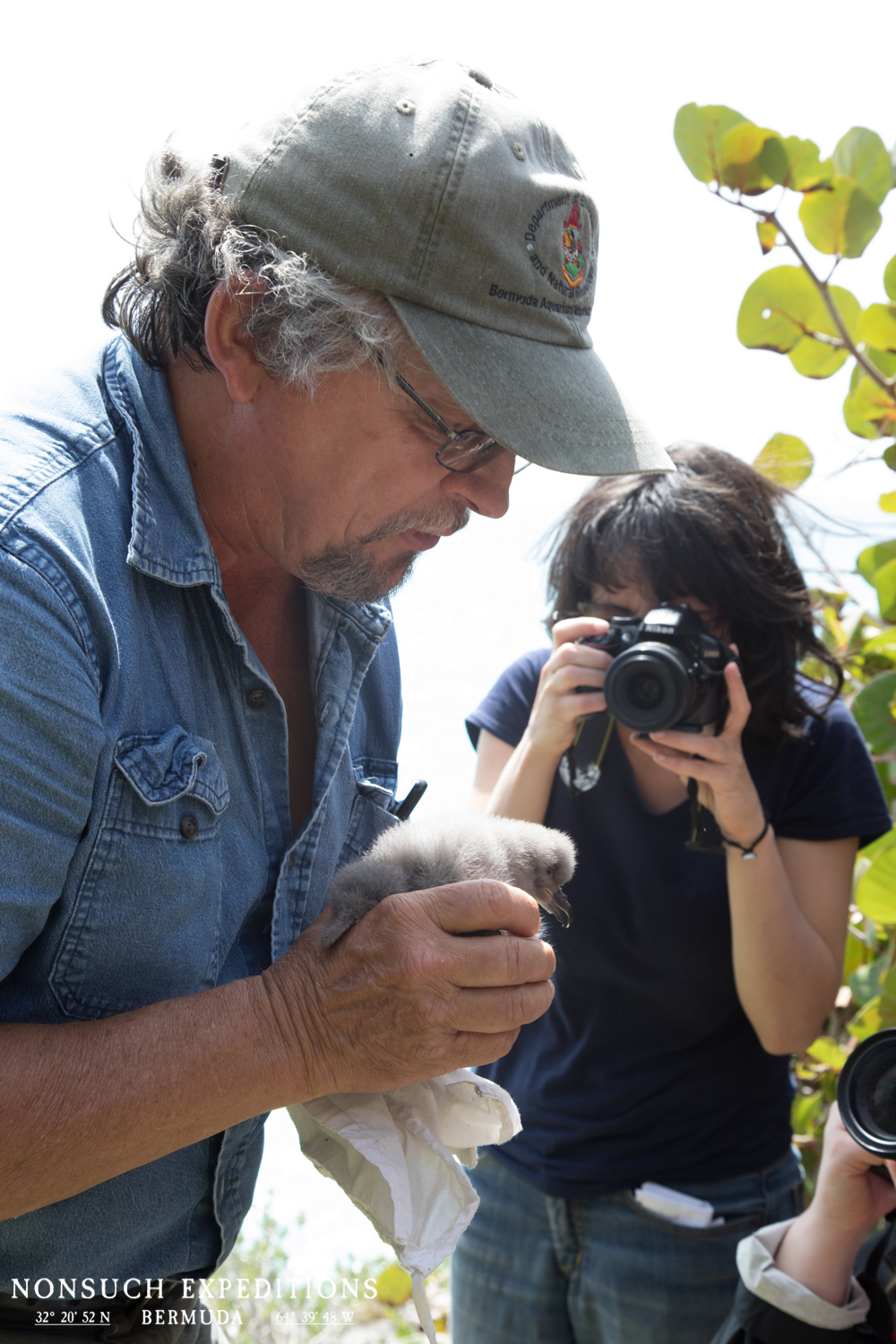
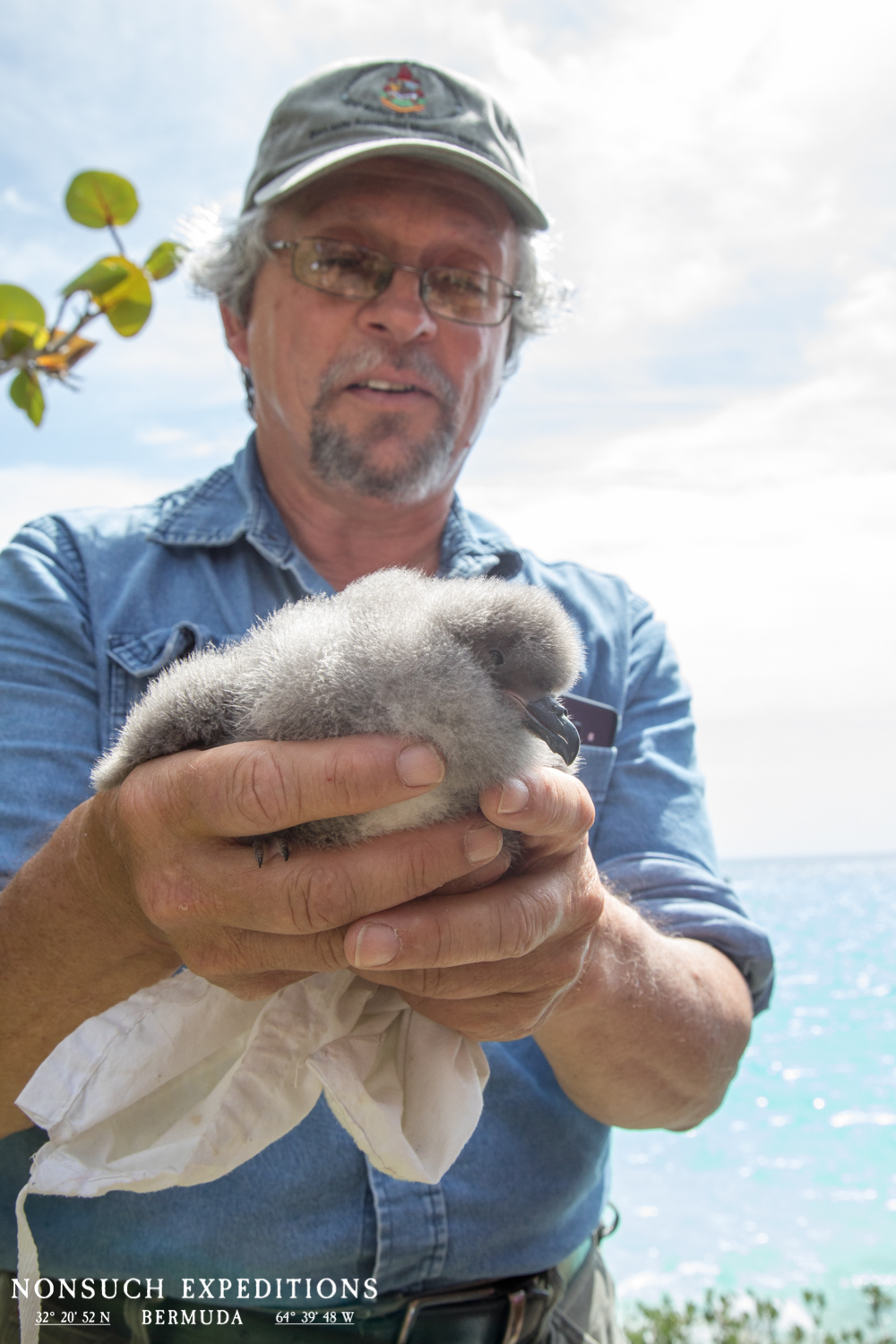
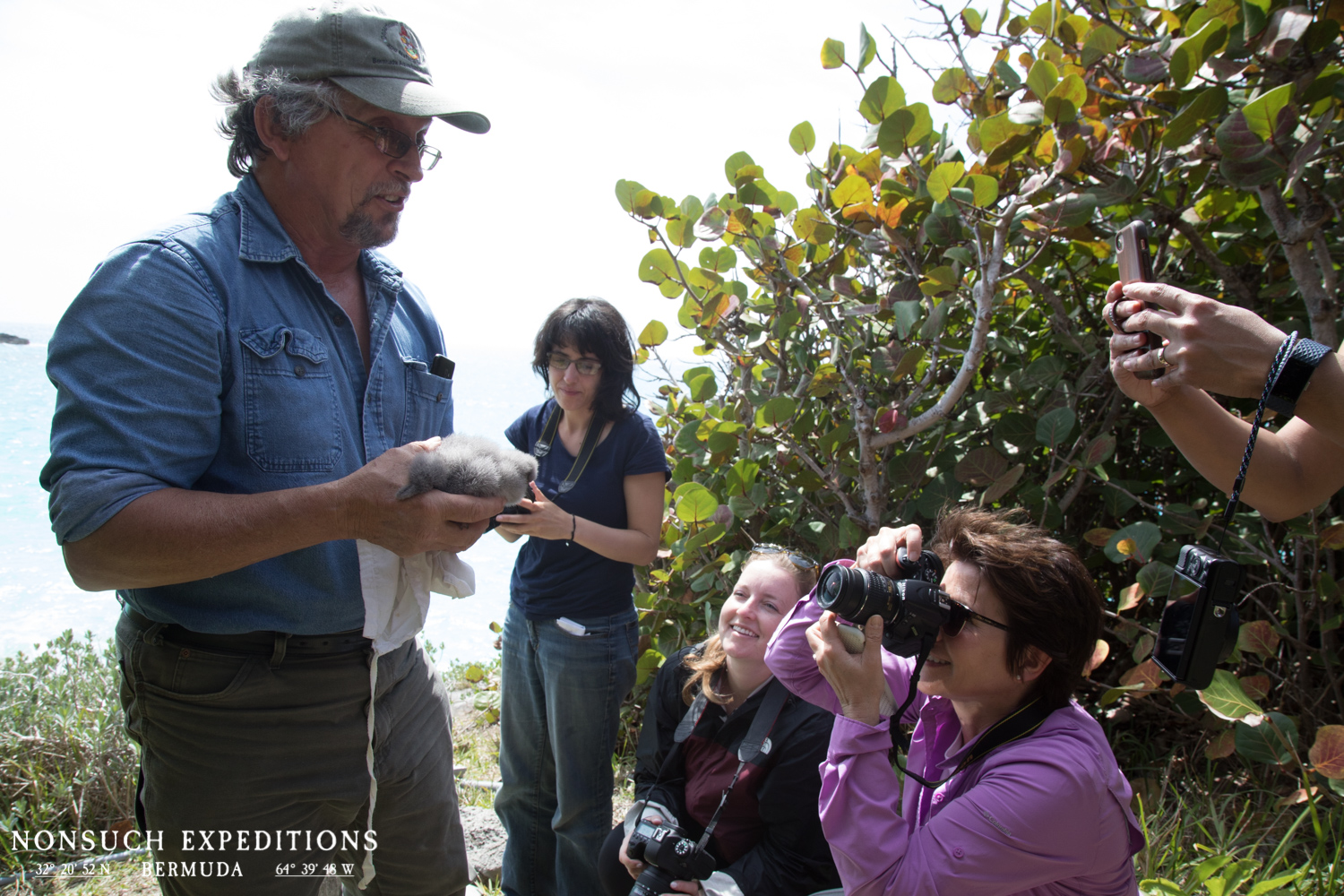
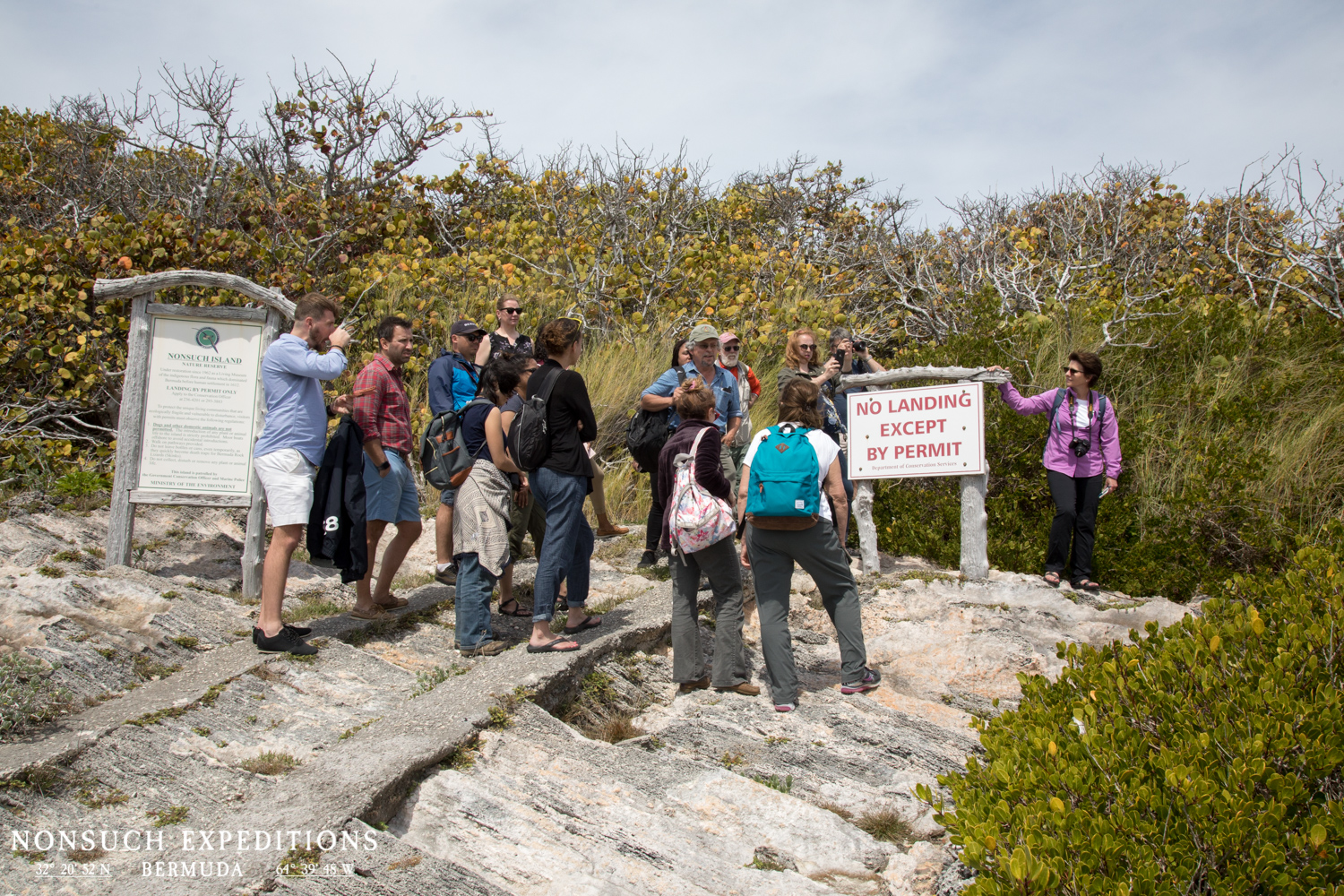
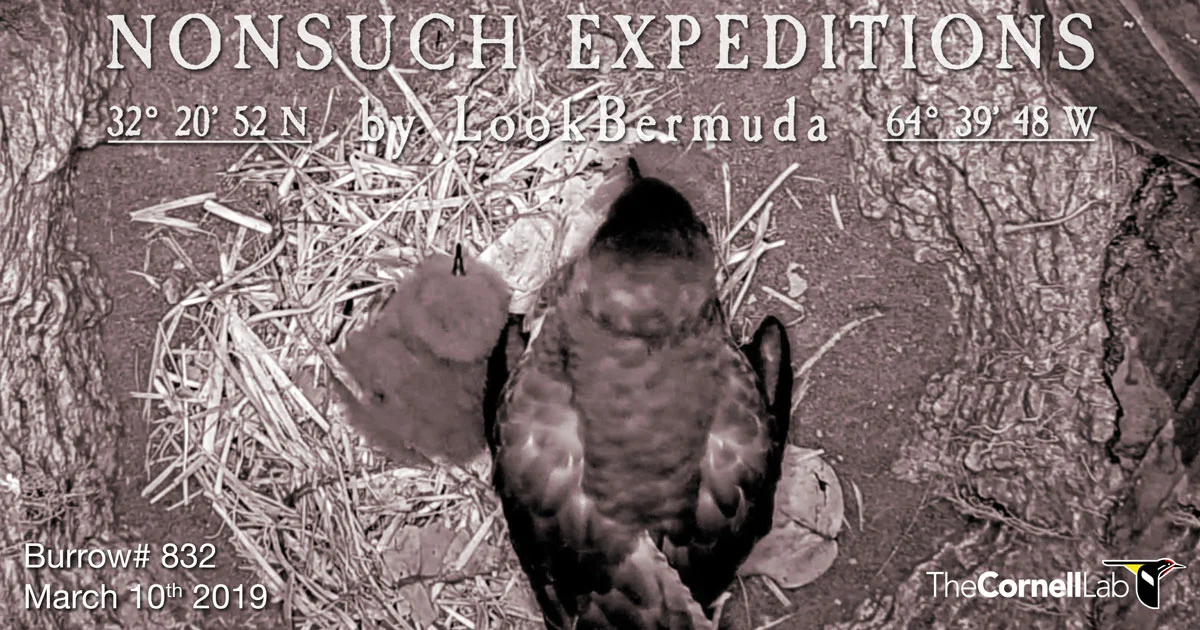
What makes this all even more interesting is that this is now the third time a Trindade Petrel has been recorded near, over or on Bermuda in the last few years; a light-morph Trindade was seen several miles off the east end of Bermuda flying with Cahows by a pelagic birding group in November 2016; and only in January and February of 2019, another light-morph bird was seen flying & calling repeatedly over a residence in central Devonshire Parish, near the center of the main island of Bermuda, returning repeatedly during the afternoon over several weeks.
The Trindade Petrel only nests in the Southern Hemisphere on Trindade Island and the Martin Vaz Islands in the South Atlantic Ocean, about 1,100 kilometers (680 miles) east of the coast of Brazil, which it constitutes a part of. Trindade has a total area of 10.1 square kilometers (3.9 square miles), while the tiny Martin Vaz islets have an area of only 0.3 Square kilometers (30.0 hectares). The islands are volcanic in origin, and have rocky, mountainous terrain. The population is only 32 Brazilian Navy personnel at a Coast Guard and Research station. 85% of the island was formally covered with forest until goats were released in 1700 by Sir Edmund Halley from HMS Paramore. Other invasive alien mammals were also introduced at different times, including pigs, cats and mice, which collectively had a catastrophic effect on the island’s flora and fauna, much of which was unique to the island.
The Goats in particular massively increased in number and destroyed the forest cover, eating all foliage and stripping the bark off vegetation. The island’s trees were almost entirely eliminated, causing massive erosion of soil. Things are looking much more hopeful for the island at the present time, with pigs being eradicated from Trindade by the 1950s, the last goats by 2005, and cats by 2009. Efforts are still underway to remove the last mice, and these measures are beginning to enable restoration of the island, enabling the remaining native flora & fauna, including the Trindade Petrel, to be preserved, and enabling areas which still have some soil cover to be reforested.
It is probable that these invasive mammals have had a serious impact on the Trindade Petrel population and other seabirds nesting there, as they have on many other oceanic islands, including Bermuda. Following extensive research, the estimated population of Trindade Petrel was recently revised to 1,130 breeding pairs (compared to a total population of 131 pairs of Cahows on Bermuda). There are also several hundred pairs of Trindade Petrel nesting on Round Island in the Indian Ocean, near Mauritius.
We have no idea what the ultimate outcome of this extraordinary record will be or why these birds seem to be taking an interest in Bermuda, which is over 5,000 miles from its breeding colony, which even lies in a different hemisphere. Natural History is rarely dull, but this record is definitely one for the history books, and we will wait with great interest to see if this bird returns to possibly try and establish a foothold for the species on Bermuda, or if it is indeed a once-in a lifetime record.
Jeremy Madeiros | Principle Scientist – Terrestrial Conservation, Dept. of Environment and Natural Resources, Bermuda
Watch a LIVE view of the CahowCam 1 burrow to see if it returns.